

Currency fluctuations are a constant challenge in today’s interconnected global economy. Whether you’re an individual traveler, a small business owner, or a multinational corporation, exchange rate volatility can significantly impact your financial goals. Fortunately, there are strategies you can employ to stop currency from overwhelming you, ensuring that your financial decisions remain informed, and your transactions stay secure.
In this comprehensive guide, we’ll explore how currency fluctuations occur, how they can affect your personal and business finances, and the best ways to manage the risks involved.
Understanding Currency Volatility
Currency values fluctuate due to a variety of economic, political, and market factors. These fluctuations can happen quickly and without warning. The primary reasons for these changes include:
- Inflation Rates: Countries with higher inflation rates often see their currencies depreciate because goods become more expensive, reducing demand for that currency.
- Interest Rates: Central banks influence currency value by raising or lowering interest rates. Higher rates can attract foreign capital, causing the currency to appreciate.
- Political Stability and Economic Performance: A country’s economic performance and political stability also determine its currency’s value. Countries with stable economies and political systems tend to have stronger currencies.
- Geopolitical Events: Wars, natural disasters, and political unrest can also cause sudden shifts in currency values, leading to market instability.
Understanding how these factors influence currency volatility is the first step in preventing your finances from being overwhelmed by unpredictable exchange rate movements.
- Use Currency Conversion Tools for Real-Time Monitoring
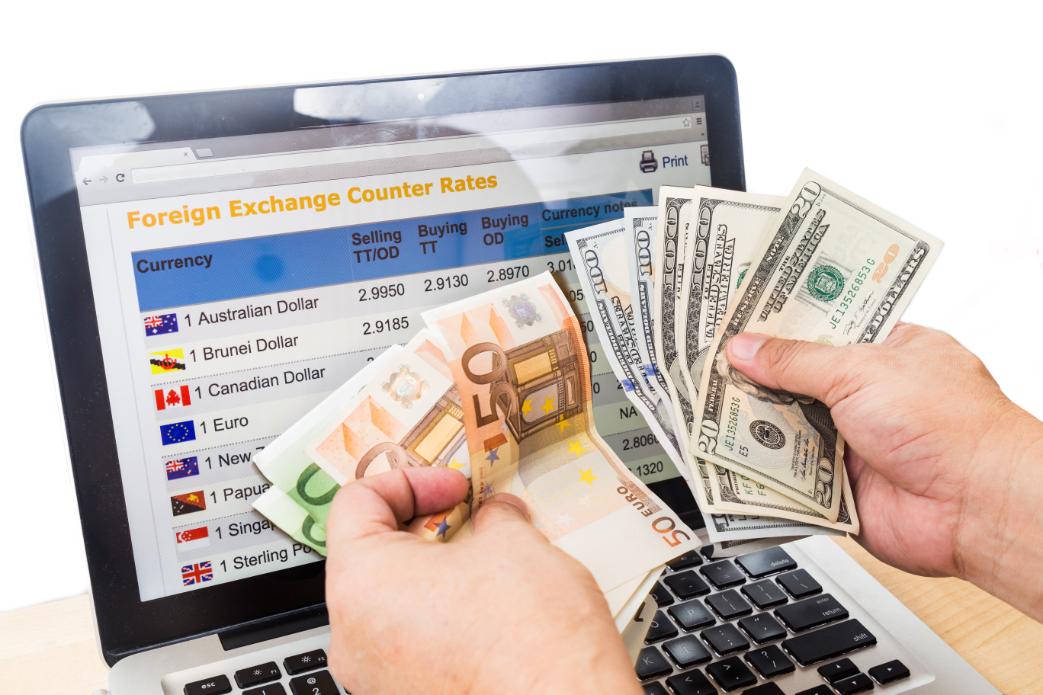
One of the most effective ways to stop currency fluctuations from overwhelming you is to monitor exchange rates in real-time. Online currency converters and financial apps give you access to live data, allowing you to track changes as they happen.
How Currency Conversion Tools Help:
- Up-to-Date Data: Currency converters provide you with real-time exchange rates, so you can see exactly what you’re getting when you exchange money.
- Plan Ahead: By tracking trends and fluctuations, you can make better decisions about when to exchange money or when to wait for a more favorable rate.
- Ease of Use: These tools are accessible through mobile apps, websites, or financial platforms, making it easy for anyone to use them.
Action Tip:
Make a habit of checking exchange rates regularly, especially before making any large transactions. Tools like Columbia Currency Exchange’s converter can give you an edge in making smarter financial choices.
- Set Up Rate Alerts to Keep Currency Volatility in Check
Another practical method to prevent currency from overwhelming you is to set up rate alerts. Many currency exchange services offer a feature where you can receive notifications when a currency reaches a particular exchange rate.
Benefits of Rate Alerts:
- Automatic Notifications: Instead of manually monitoring exchange rates, rate alerts will send you notifications when the market hits a level you’re interested in.
- Timing Your Transactions: By setting alerts, you can time your currency exchange or transfer more strategically, ensuring you get the best rate.
- Peace of Mind: With rate alerts, you can focus on other important aspects of your business or life while still being informed about favorable currency changes.
Action Tip:
Take advantage of the rate alert features offered by currency exchange platforms to reduce the anxiety that comes with constantly checking the market.
- Use Forward Contracts for Predictability
For businesses and individuals who engage in large-scale currency transactions, using forward contracts is an excellent strategy for managing exchange rate risks. A forward contract allows you to lock in an exchange rate for a future date, which can help prevent your business or personal finances from being overwhelmed by currency fluctuations.
How Forward Contracts Work:
- Lock in Rates: With a forward contract, you agree on an exchange rate for a specified time in the future. This means that even if the market moves unfavorably, you won’t be impacted by those changes.
- Stabilize Cash Flow: Forward contracts help businesses and individuals budget more effectively by removing uncertainty regarding exchange rate movements.
- Manage Costs: If you have known future expenses in a foreign currency, such as for importing goods or making international payments, forward contracts allow you to stabilize costs in advance.
Action Tip:
Consider using forward contracts for large payments or ongoing foreign currency transactions. This ensures that your costs remain predictable, even if the market experiences significant fluctuations.
- Hedge Against Currency Risks
Currency hedging is another powerful tool used to stop currency fluctuations from overwhelming your finances. Hedging strategies, such as options contracts or currency swaps, can protect your business or investments from adverse exchange rate movements.
Common Hedging Tools:
- Currency Options: These give you the right (but not the obligation) to exchange currency at a predetermined rate on a future date. If the market moves in your favor, you can choose not to exercise the option and avoid unnecessary costs.
- Currency Swaps: Currency swaps allow businesses to exchange future cash flows in different currencies, mitigating the risk of fluctuating exchange rates.
How Hedging Works:
- Reduce Volatility Exposure: Hedging minimizes the impact of unfavorable exchange rate fluctuations, making it easier for businesses to manage costs and plan for the future.
- Maintain Profit Margins: Businesses that rely on international trade can use hedging to lock in exchange rates, ensuring that fluctuations don’t negatively affect profit margins.
Action Tip:
If you frequently deal with foreign currency or have international financial commitments, speak with a financial advisor about implementing a hedging strategy to manage currency risks more effectively.
- Diversify Your Currency Exposure
For individuals and businesses, diversification is a key strategy for managing currency volatility. By holding assets in multiple currencies or operating in different international markets, you reduce your reliance on a single currency, protecting yourself from the impact of one currency’s sudden depreciation.
How Diversification Helps:
- Risk Reduction: Diversification spreads your exposure across different markets, decreasing the risk that one market will cause significant financial losses.
- Opportunities for Gains: If one currency weakens, other currencies in your portfolio may strengthen, providing opportunities for growth despite volatility.
- Balanced Portfolio: For businesses, diversifying revenue streams across multiple countries and currencies can help buffer against the risks posed by exchange rate fluctuations.
Action Tip:
Look for opportunities to diversify your investments or revenue sources to include markets and currencies that are less correlated with one another, which can provide stability in times of global uncertainty.
- Monitor Global Events and Economic Indicators
Global events, such as political instability, natural disasters, or changes in government policies, can have a direct impact on currency values. Keeping an eye on global news and economic indicators can help you stay informed about the factors driving currency fluctuations.
Why Monitoring Global Events is Important:
- Stay Ahead of Market Movements: If you can anticipate major shifts in the global market, you’ll be better positioned to adjust your financial strategies accordingly.
- Adjust Your Plans: Political elections, central bank decisions, and even trade agreements can all influence currency values. By staying informed, you can make smarter decisions about when to exchange currency and when to wait.
Action Tip:
Stay up-to-date with the latest financial news and market analysis to anticipate currency fluctuations. Use trusted financial websites, government reports, and global news sources to monitor events that may impact exchange rates.
- Work with Currency Experts
For businesses or individuals managing large or complex currency transactions, consulting with a currency expert can provide valuable guidance. Currency specialists have access to real-time data, insights into global economic conditions, and advanced tools for managing currency risk.
How Currency Experts Help:
- Market Insights: Currency experts can offer strategic advice on when to exchange currencies based on market conditions.
- Customized Solutions: They can develop tailored strategies, such as hedging, to protect your business or personal finances from exchange rate risks.
- Long-Term Planning: With their expertise, currency specialists can help you plan for future international transactions, making sure you manage currency fluctuations effectively.
Action Tip:
If you deal with significant amounts of foreign currency or have complex international financial obligations, consider working with a currency expert to safeguard your financial interests.
FAQs: How to Stop Currency from Being Overwhelmed
Q1: What is the best way to avoid currency risk when traveling abroad?
To avoid currency risk while traveling, use currency conversion tools to track exchange rates and set up rate alerts. Additionally, consider exchanging some currency in advance to lock in better rates before your trip.
Q2: How can forward contracts help my business?
Forward contracts allow businesses to lock in exchange rates for future transactions. This provides certainty about future costs and revenue, protecting against adverse currency fluctuations.
Q3: How does currency diversification help protect against risks?
By holding assets or revenues in multiple currencies, you reduce the risk that one currency’s depreciation will negatively impact your overall financial position. Diversification spreads the risk across different markets and currencies.
Conclusion
Currency fluctuations are inevitable, but they don’t have to overwhelm your financial goals. By using currency conversion tools, setting up rate alerts, hedging against risks, diversifying your exposure, and staying informed about global events, you can take control of your finances and minimize the impact of currency volatility. Whether you’re managing personal finances or running a business, these strategies will help you stay ahead of the curve and avoid the stress of currency fluctuations.